Patient safety
A counterfeit medicine is directly a health matter; the speed of detection decides the outcome.

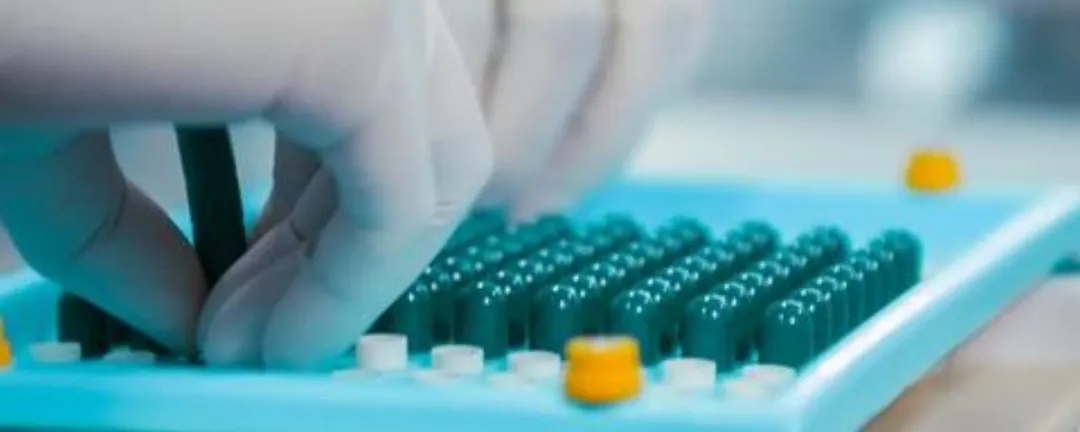
Packaging grows easier to copy every year. When the carton, colour and print are reproduced exactly, no distinguishing mark is left in hand.
Implementation
A signature is applied to the packaging and, where needed, to the product itself; your packaging design does not change. At the wholesaler, in the pharmacy and during audits, the product is shown to be yours on the spot. Every reading is recorded with its place and time, ready for audits and legal proceedings.
We support pharmaceutical manufacturers so they can show in the field that their product reaches the patient exactly as it left them.
Situations met often in this industry: a counterfeit carton cannot be told from the real one by eye; you cannot decide on a suspect product at the wholesaler; you cannot confirm that a returned carton came from you; you keep no record to support a counterfeiting claim.
Request a meeting
Data
Minimum share of medicines that are substandard or falsified in low- and middle-income countries
Source: World Health Organization, Substandard and falsified medical products fact sheet, 2024Estimated annual spending by countries on substandard and falsified medical products
Source: World Health Organization, Substandard and falsified medical products fact sheet, 2024Share of sales lost by the sector in the EU because of falsified medicines (around €10 billion a year)
Source: EUIPO, The economic cost of IPR infringement in the pharmaceutical industry, 2016Risks
A counterfeit medicine is directly a health matter; the speed of detection decides the outcome.
Product leaving the authorised channel creates both reputational and legal exposure.
Auditors and large buyers want proof of the product safety measures you take.
Example scenario
The signature is applied while the carton is printed; the fixed reader on the line catches a carton with a missing or weak signature before the packaging closes.
Cases are read as they are shipped; each reading is recorded with its place and time.
At the wholesaler, the arriving product is confirmed as yours on the spot at intake.
In the pharmacy and during audits your field team reads the carton with a handheld reader; the result arrives on the spot and lands in your reports.
Regulation
Established by the Ministry of Health in 2010, İTS makes medicine units unique with a data matrix code and records production, import, export, purchase and sale movements with location and time information. Citizens can also check a medicine through the mobile app and online enquiry services.
Requires a unique identifier and an anti-tampering device on the outer packaging of medicines; the detailed rules on these safety features have applied since 9 February 2019. The directive also introduces a common EU logo for legal online pharmacies and strengthened record-keeping obligations for wholesale distributors.
This section is for information only; official sources prevail for current obligations.
FAQ
No. The signature cannot be seen with the naked eye; the colour, texture and packaging design of your product stay exactly as they are.
At the wholesaler, in the pharmacy and during audits, your teams get a result on the spot with registered readers. Every reading is recorded with its place and time, ready for audits and legal proceedings.
Other industries
Meeting request
The first meeting reviews your product, sales channels and the risks you face, and recommends a suitable method.
Request a meeting