Counterfeit quality
Visual separation is getting harder; a check by eye is no longer enough on its own.


High-quality counterfeits reproduce the packaging, the stitching and the serial number together. Telling them apart takes expertise and time.
Implementation
The signature is applied to the surface of the product itself, such as leather, metal or fabric, and survives the loss of its packaging. Your staff get a result in seconds while holding the product. A product arriving for service is confirmed as your production from the record.
We offer luxury brands a setup that lets them show a product is theirs even years later.
Situations met often in this industry: a high-quality counterfeit cannot be told apart by eye; the question of authenticity goes unanswered on the resale market; a product arriving for service cannot be confirmed as yours; your boutique staff cannot decide on the spot.
Request a meeting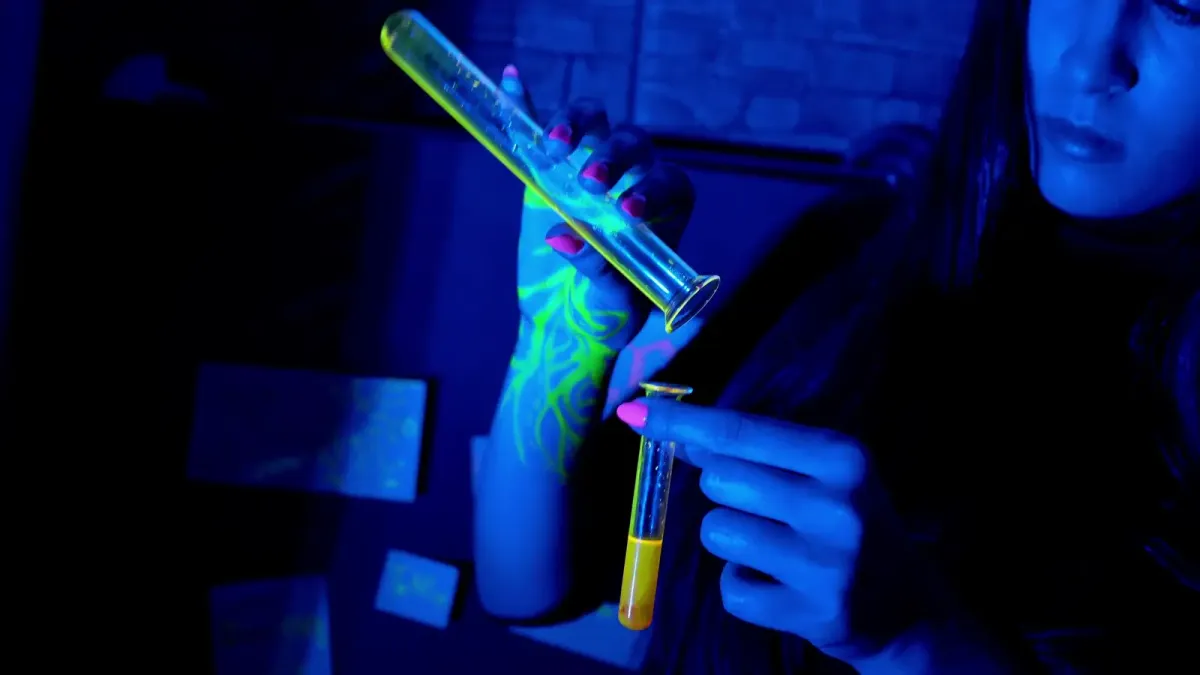
Data
Estimated share of counterfeit and pirated goods in EU imports in 2021 (around $117 billion)
Source: EUIPO and OECD, Mapping Global Trade in Fakes 2025 press release, 2025Sales lost by the legitimate sector in the EU to counterfeit bags and luggage (2013-2017 annual avg.)
Source: EUIPO, 2020 Status Report on IPR Infringement, Tablo 1, 2020Annual direct sales lost in the EU to counterfeit clothing, footwear and accessories (2013-17)
Source: EUIPO, 2020 Status Report on IPR Infringement, Tablo 1, 2020Risks
Visual separation is getting harder; a check by eye is no longer enough on its own.
A growing resale market puts the question of authenticity in front of the brand.
Verification that is immediate and on the spot builds trust without disturbing the boutique experience.
Regulation
From 19 July 2026 it is prohibited to destroy unsold consumer products such as the clothing and clothing accessories (including those made of leather) listed in Annex VII; the ban does not apply to micro and small enterprises and starts on 19 July 2030 for medium-sized ones. Keeping a record of which channel unsold stock was directed to therefore gains importance.
A digital record holding product, component and material information, linked to the physical product through a data carrier such as a QR code. Textiles are among the product groups expected to be brought into scope gradually in the 2027-2029 period; product-level identity and record infrastructure can support that preparation.
Applying since 13 December 2024, the regulation requires products to carry identifiers such as a type, batch or serial number and supply chain information to be available on request for 6 years. Online marketplaces are also obliged not to publish listings that lack minimum safety and traceability information.
Under Article 57 of the Customs Law and Articles 100-111 of the Customs Regulation, rights holders can apply electronically for goods infringing their rights to be detained at customs; an accepted application is valid for one year. Having information that identifies the genuine product ready makes assessing suspect goods at customs easier.
This section is for information only; official sources prevail for current obligations.
FAQ
No. The signature cannot be seen with the naked eye; the colour, texture and packaging design of your product stay exactly as they are.
Yes. Because the signature is applied to the surface of the product itself, such as leather, metal or fabric, it stays on the product even when the packaging is gone.
Other industries
Meeting request
The first meeting reviews your product, sales channels and the risks you face, and recommends a suitable method.
Request a meeting